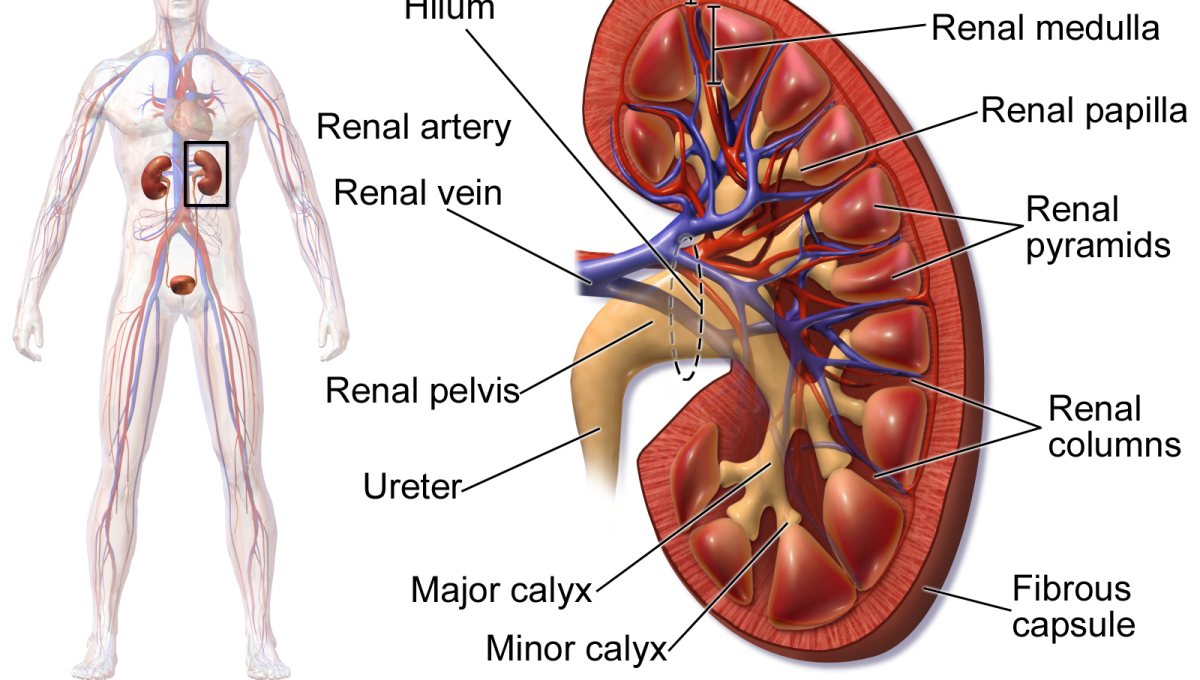
For small-to-moderate renal and proximal ureteral calculi, shockwave lithotripsy ESWL Da Nang (Extracorporeal Shock Wave Lithotripsy) offers the gentlest outpatient solution: zero incisions, no general anesthesia, no endoscopic instruments entering the body, and same-day discharge within 60 minutes. However, achieving high stone clearance with ESWL depends entirely on rigorous preoperative CT selection of stone hardness and anatomy.
Quick Clinical Summary:Extracorporeal Shock Wave Lithotripsy (ESWL) focuses acoustic shockwaves from outside the body through soft tissue onto the calculus, shattering it into sand-like fragments (< 2–3 mm) that pass naturally in the urine over 1–3 weeks. At Family Hospital Da Nang, Dr. Dang Phuoc Dat indicates ESWL for renal stones5–15 mm or upper ureteral stones ≤ 10 mm with CT density < 1000 HU and unobstructed distal urinary anatomy.
1. Physics of ESWL and the ‘Triple CT Rule’ for Patient Selection
Unlike endoscopic surgery, an ESWL generator produces high-energy acoustic pulses coupled through the flank and pinpointed onto the calculus via real-time ultrasound or fluoroscopy. Compressive stress waves and cavitation micro-jets fracture the stone from within.
Dr. Dang Phuoc Dat (BS CKI) — Urology & Andrology specialist at Family Hospital Da Nang
Per EHội Tiết niệu Châu Âu (European Association of Urology (EAU) guidelines, ESWL achieves optimal 80–90% clearance when all criteria of the Triple CT Rule are met:
Stone Size & Location: Renal pelvic or upper/mid-calyceal stones measuring 5–15 mm (up to 20 mm in favorable anatomy), or proximal ureteral stones ≤ 10 mm.
Stone Softness (Hounsfield Units on CT): Attenuation density < 900–1000 HU (e.g., Calcium Oxalate Dihydrate, uric acid, or struvite stones).
Skin-to-Stone Distance (SSD): Distance < 10 cm on axial CT ensures shockwave focal energy is not attenuated by thick subcutaneous adipose tissue.
Patency of the Distal Urinary Tract: Absence of distal ureteral stricture or severe prostatic obstruction.
Clinical Selection Guide: Ideal vs. Unfavorable Candidates for ESWL
Clinical Parameter
Ideal Candidate for ESWL (High Clearance Rate)
Unfavorable / Contraindicated for ESWL (Choose RIRS or Mini-PCNL)
Stone Size & Site
Renal pelvis or upper/mid calyx 6 – 15 mm; upper ureter ≤ 10 mm
Renal stone > 20 mm, staghorn stone, or lower-pole stone with narrow long infundibulum
• Minimally Invasive Priority
• Organ & Neurovascular Preservation
• Strict Sterile Hospital OR Standards Modality: Focused Acoustic Shock Waves
• Rapid Return to Travel & Work
• Direct International Insurance Billing
• Long-Term Recurrence Prevention Key Entity: CT Attenuation Density (Hounsfield Units – HU)
Dr. Dang Phuoc Dat • Da Nang Urology – Andrology – Aesthetic Center (Family Hospital Da Nang, 73 Nguyen Huu Tho St, Hai Chau, Da Nang) • Zalo/Phone/WhatsApp: 07777 43 777
2. Same-Day Outpatient ESWL Procedure with Dr. Dang Phuoc Dat
At Family Hospital Da Nang, outpatient ESWL supervised by Dr. Dang Phuoc Dat is completed smoothly within a single morning or afternoon visit:
Pre-Procedural Screening: Coagulation panel, urinalysis (confirming absence of infection), blood pressure check, and imaging review.
45-Minute Shockwave Session: The patient lies comfortably on the lithotripter table under mild oral/parenteral analgesia. Dr. Dat aligns the acoustic focal zone onto the stone and delivers 2,500–3,000 shockwaves at a ramped frequency of 60–90 shocks/minute (proven by EAU meta-analyses to maximize fragmentation while protecting renal microvasculature).
Same-Day Discharge with MET: After 30–60 minutes of rest, patients return home with Medical Expulsive Therapy (MET) (alpha-blockers to relax ureteral smooth muscle plus anti-inflammatory analgesia).
Two-Week Follow-Up: Ultrasound and KUB X-ray verify stone fragment clearance.
Evidence-based patient selection for outpatient Shockwave Lithotripsy (ESWL) with Dr. Dang Phuoc Dat.
3. Home Care Protocol to Accelerate Fragment Passage After ESWL
Because ESWL pulverizes the stone in situ rather than extracting it mechanically, post-procedural hydration and activity are vital over the following 1–3 weeks:
Drink 2.5 – 3.0 Liters of Water Daily: Generates high urine output to flush gravel through the ureter.
Take Prescribed Alpha-Blockers Consistently: Relaxes the intramural ureteral smooth muscle, reducing colic episodes as fragments pass.
Light Jumping & Postural Percussion: For lower-pole fragments, gentle rope-skipping or flank percussion after drinking water helps mobilize sand out of dependent calyces.
4. Clinical Red Flags: When to Seek Immediate Urological Care
URGENT MEDICAL RED FLAGS:
Dr. Dang Phuoc Dat (BS CKI) — Urology & Andrology specialist at Family Hospital Da Nang
Steinstrasse (‘Stone Street’ Complication): If multiple fragments descend simultaneously and impact the ureter—causing severe unrelenting flank pain or fever > 38.5°C—contact your urologist immediately for urgent Double-J stenting or ureteroscopic clearance.
Light pink or tea-colored urine for 24–48 hours after ESWL is expected from mild mucosal contusion, but bright red clots require prompt evaluation.
Clinical Perspective from Da Nang: Some patients with large (> 20 mm) or rock-hard (> 1300 HU) stones insist on undergoing 3–4 repeated ESWL sessions out of fear of endoscopy. Repeatedly bombarding an resistant calculus with shockwaves fails to break the stone while risking subcapsular renal hematoma, interstitial fibrosis, and severe ureteral edema.
5. Frequently Asked Questions (International Patient Guide)
Question 1: Does shockwave lithotripsy (ESWL) require general anesthesia or fasting?
No. ESWL is performed without general or spinal anesthesia—patients remain awake and comfortable with mild analgesic medication during the 45-minute session. A light meal 2–3 hours beforehand is recommended to minimize bowel gas that could obscure ultrasound targeting.
Question 2: How long does it take for stone fragments to pass completely after ESWL?
Sand and small fragments begin passing in the urine within the first 24 hours, with complete clearance typically achieved within 2 to 4 weeks. Straining your urine during the first week allows you to collect fragments for composition analysis.
Question 3: What is the maximum number of ESWL sessions recommended for a single stone?
Per EAU guidelines, ESWL should not exceed 2 sessions (maximum 3 in select cases) for the same stone, spaced at least 2–3 weeks apart for renal parenchymal recovery. If a stone fails to fragment after 1–2 sessions, switching to flexible laser ureteroscopy (RIRS) is recommended.
6. Clinical References & International Guidelines
EHội Tiết niệu Châu Âu (European Association of Urology (EAU):EAU Guidelines on Urolithiasis, Management of Non-Neurogenic Male LUTS, Urethral Strictures, Female Non-Neurogenic LUTS, Sexual and Reproductive Health, and Prostate Cancer (2025–2026 Edition).
American Urological Association (AUA):AUA Clinical Practice Guidelines on Kidney Stones, Benign Prostatic Hyperplasia (BPH), Male Infertility, Urethral Stricture, and Erectile Dysfunction.
Ministry of Health of Vietnam:National Clinical Guidelines on Diagnosis and Treatment in Urology and Andrology.
International Continence Society (ICS) & ISSM / WPATH:Standards of Care in Continence, Sexual Medicine, and Reconstructive Urology.
Medical Disclaimer: This clinical guide is authored and medically reviewed by Dr. Dang Phuoc Dat (Specialist Level I in Urology & Andrology) based on current international urological guidelines for patient education. It does not substitute for an in-person clinical examination, diagnostic imaging, or individualized surgical consultation.
Evidence-based diagnostic and treatment overview — Shockwave Lithotripsy ESWL Da Nang: Non-Invasive Care – Dr. Dat
International Patient Consultation & Booking with Dr. Dang Phuoc Dat in Da Nang
Specialist Clinic (Room 326 – 2nd Floor, International Clinic):Da Nang Urology – Andrology – Aesthetic Center (Trung tâm Tiết niệu – Nam khoa – Thẩm mỹ Đà Nẵng) – Address: Family Hospital Da Nang, 73 Nguyen Huu Tho St, Hai Chau, Da Nang
Hospital Practice: Department of Surgery – Family Hospital Da Nang (73 Nguyen Huu Tho Street, Hai Chau District, Da Nang)
Phía sau mỗi bài viết y khoa là công sức tra cứu y văn, đối chiếu phác đồ và biên soạn nghiêm túc của đội ngũ bác sĩ. Đóng góp tự nguyện của bạn giúp duy trì máy chủ và nâng cao chất lượng tri thức y học cộng đồng.
Hoàn toàn tự nguyện. Bạn vẫn có thể tiếp tục đọc bài viết mà không cần đóng góp.
đ
Vui lòng chọn hoặc nhập số tiền tối thiểu từ 2.000đ.
BACSIDANANG.COM
Một bài viết giá trị cần sự đầu tư nghiêm túc
Phía sau mỗi bài viết y khoa là công sức tra cứu y văn, đối chiếu phác đồ và biên soạn nghiêm túc của đội ngũ bác sĩ. Đóng góp tự nguyện của bạn giúp duy trì máy chủ và nâng cao chất lượng tri thức y học cộng đồng.
Bạn đang ủng hộ bài viết
Shockwave Lithotripsy ESWL Da Nang: Non-Invasive Care – Dr. Dat
1. Bản chất pháp lý của khoản đóng góp: Mọi khoản đóng góp từ độc giả là quà tặng tự nguyện (Hợp đồng tặng cho tài sản theo Điều 457, 458 Bộ luật Dân sự 2015) dành cho tác giả (BS CKI Đặng Phước Đạt) nhằm hỗ trợ chi phí duy trì máy chủ, tên miền, bản quyền tài liệu y văn quốc tế và biên soạn nội dung y học thường thức miễn phí.
2. Miễn trừ trách nhiệm dịch vụ y tế & quỹ từ thiện: - Khoản đóng góp này không phải là giá dịch vụ khám bệnh, chữa bệnh, không phải phí tư vấn y khoa và không làm phát sinh giao dịch thương mại điện tử. - Toàn bộ nội dung bài viết được mở miễn phí 100% cho mọi độc giả dù có đóng góp hay không. - Đây là khoản ủng hộ trực tiếp cho đội ngũ vận hành nội dung website, không phải quỹ từ thiện hay vận động tài trợ theo Nghị định 93/2021/NĐ-CP.
Cam kết bảo mật dữ liệu cá nhân: Hệ thống tạo mã QR trực tiếp qua tiêu chuẩn VietQR của NAPAS. Website không thu thập, không lưu trữ số thẻ, số tài khoản ngân hàng hay bất kỳ thông tin định danh cá nhân nào của người đọc trên cơ sở dữ liệu web, tuân thủ nghiêm ngặt quy định về Bảo vệ dữ liệu cá nhân.
Hướng dẫn & Hỗ trợ kỹ thuật: - Bạn có thể sử dụng bất kỳ ứng dụng Ngân hàng (Mobile Banking) hoặc Ví điện tử hỗ trợ VietQR để quét mã. - Nếu đang đọc bài trên điện thoại, hãy nhấn nút "Lưu ảnh mã QR", sau đó mở ứng dụng ngân hàng, chọn Quét QR → Tải ảnh từ thư viện. - Mọi thắc mắc về kỹ thuật vui lòng liên hệ ban quản trị website qua trang Liên hệ chính thức.

 in Da Nang breaks kidney stones without incisions, anesthesia, or hospital stay. Consult Dr. Dang Phuoc Dat: +84777743777.)